HISTORICAL BUILDINGS
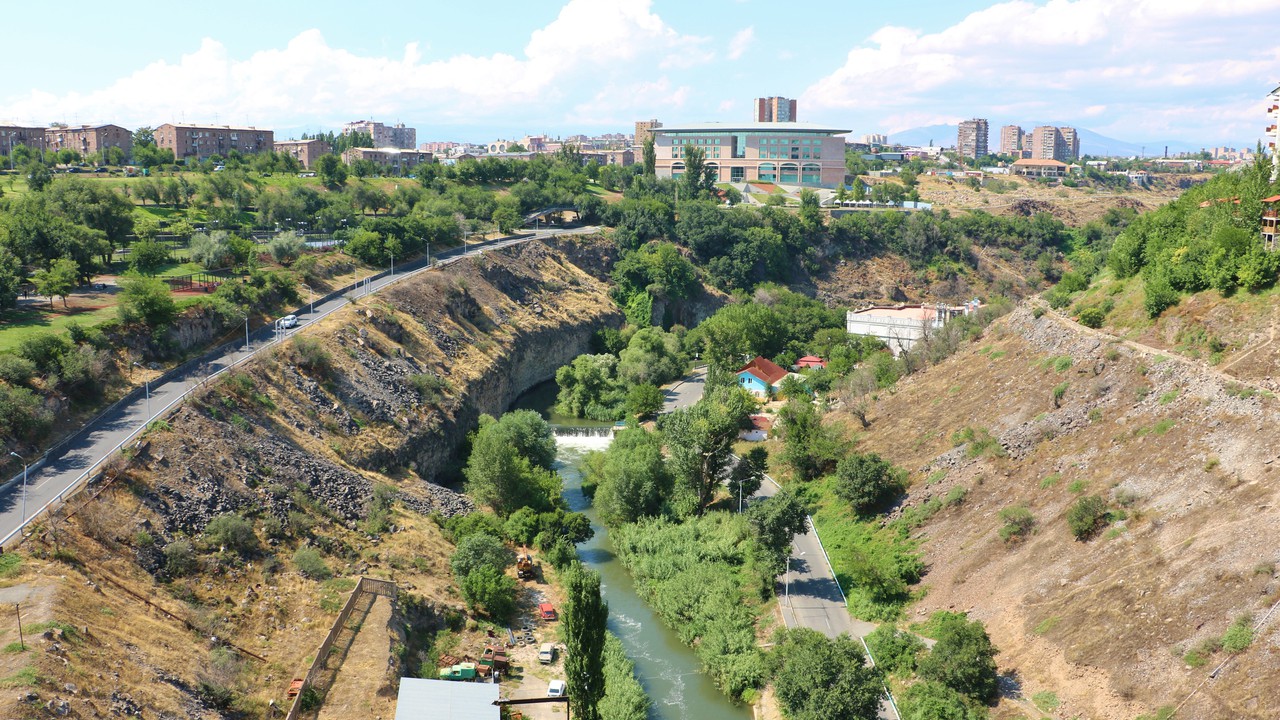
HRAZDAN GORGE
Hrazdan Gorge is one of the unique landmarks of Yerevan. This wonderful natural resource is one of the most important cultural, tourist, sports and entertainment places of the city.
Yerevan
is one of the coastal cities of the Hrazdan River, which has been inhabited
since ancient times, as evidenced by the caves discovered in the river gorge
with working tools belonging to ancient people and other finds. The Hrazdan or
Zangu (Urartian: Ildaruni) River is the left tributary of the Araks, which
originates from Lake Sevan.
A
large section of the river, about 15 km, flows through the territory of the
capital Yerevan. Beautiful views of the gorge are visible from different points
of the city. In the middle part of the Hrazdan Gorge is the New Arabkir Park,
and in the area adjacent to the Kievyan Bridge is the Tumanyan Park or Tumo
Park, which is a wonderful place for family recreation with various
entertainment and sports zones. The park offers a magnificent view of the
Hrazdan Gorge.
The
river in the gorge can be reached both through Tumo Park and from the small
center of Yerevan, from the end of Diana Abgar Park (from Saryan Street).
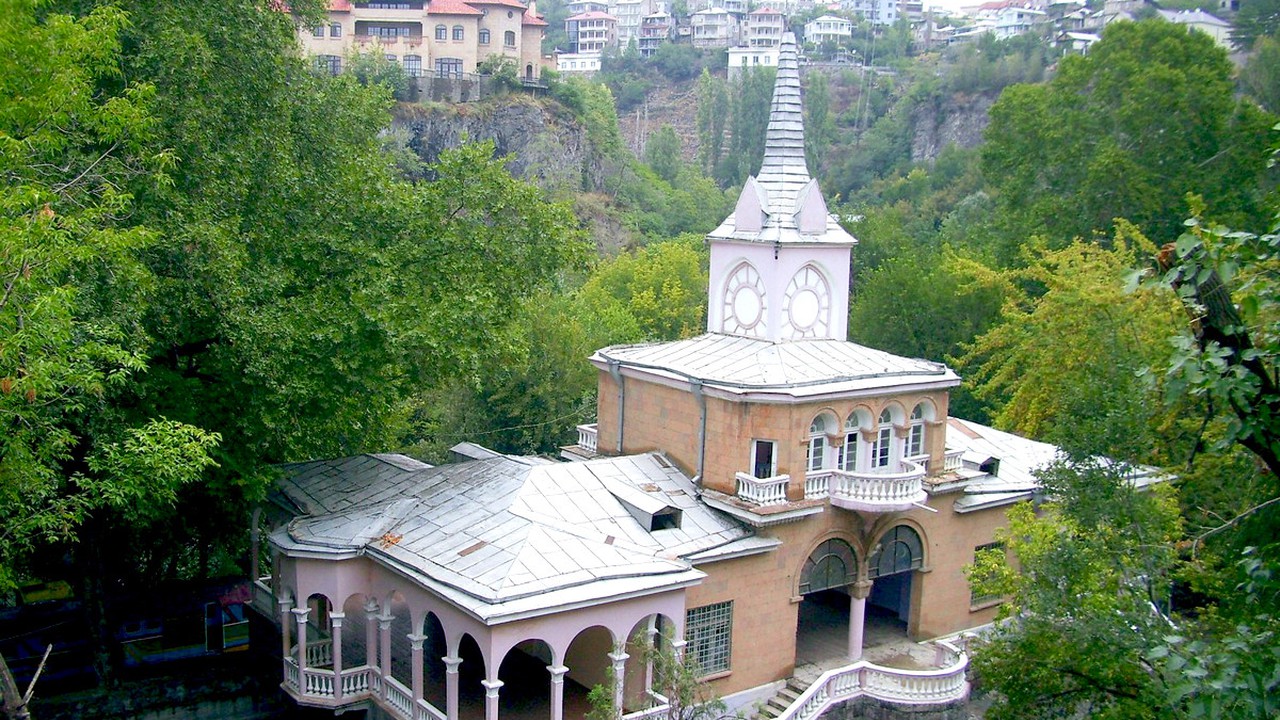
Through the tunnel located here, in 10 minutes you can find yourself in one of
the picturesque places of the Hrazdan Gorge, in the territory of the Yerevan
Children's Railway. The area serves as a recreation area, and the station
building and several old rolling stock are a great place for taking photos. One
of the trains is still operating today, in warm weather you can travel along
the Hrazdan Gorge. The park also has many other attractions and entertainment
venues.
The
Hrazdan Gorge is also home to the Hrazdan Gorge public outdoor sports ground,
as the locals call it, “Chrik” – a place of flowing water – or “Bidzu Gyol” (a
place of running water), as it is where the capital’s healthy lifestyle
enthusiasts like to gather, exercise and simply have a good time.
In
the section of the gorge adjacent to Admiral Isakov Avenue is Lake Yerevan,
an artificial reservoir in the southwest of Yerevan. In the area adjacent to
the lake are the “Yerevan 1” cave, the Shengavit settlement, an Early Bronze
Age monument in the southwest of Yerevan, and the ancient site of the Urartian
city of Teyshebain or Karmir Blur on the left bank of the Hrazdan River. In
1986, archaeologists discovered the Karmir Berd (Red Fortress) on the right
bank of the Hrazdan River, which flows through the city, dating back to the 2nd
millennium BC.
Thus,
dozens of centuries ago, emerging from the caves, people built fortresses and
settlements on the highlands of the Hrazdan Gorge, traces of which have been
preserved and reached our days. Later, the settlement spread to the highlands
of Hrazdan. This is how the city arose and gradually expanded.
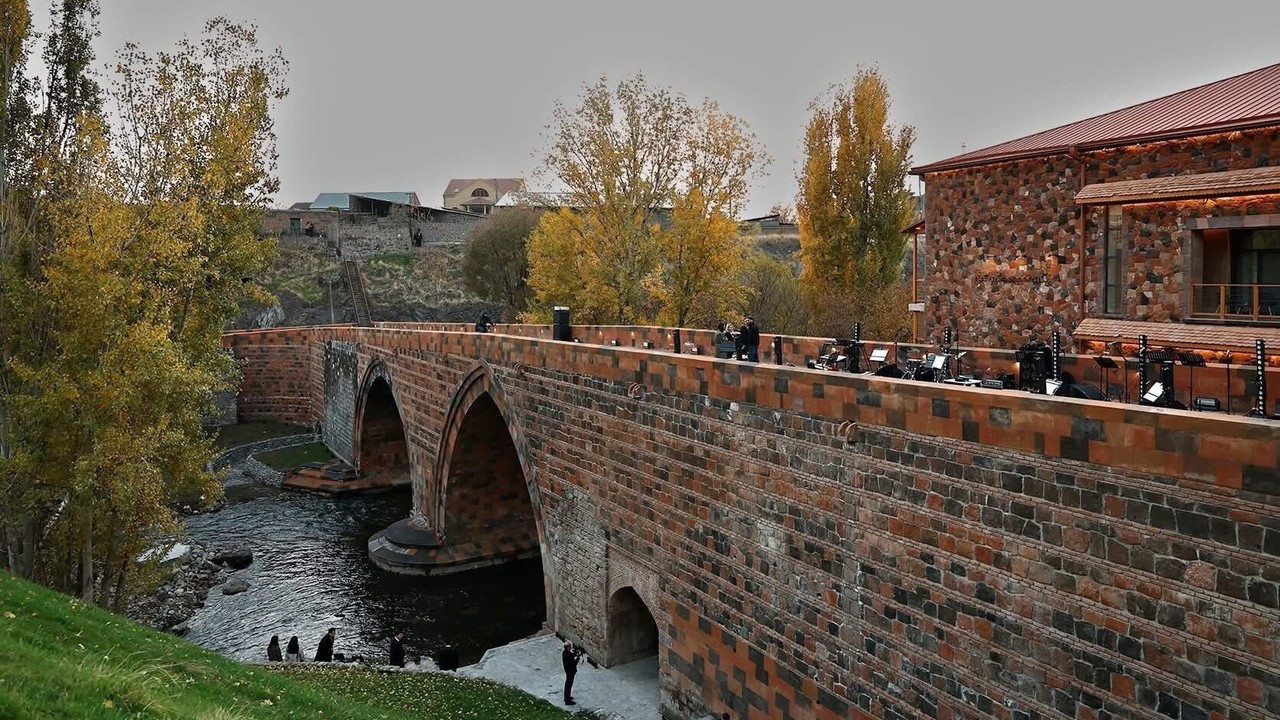
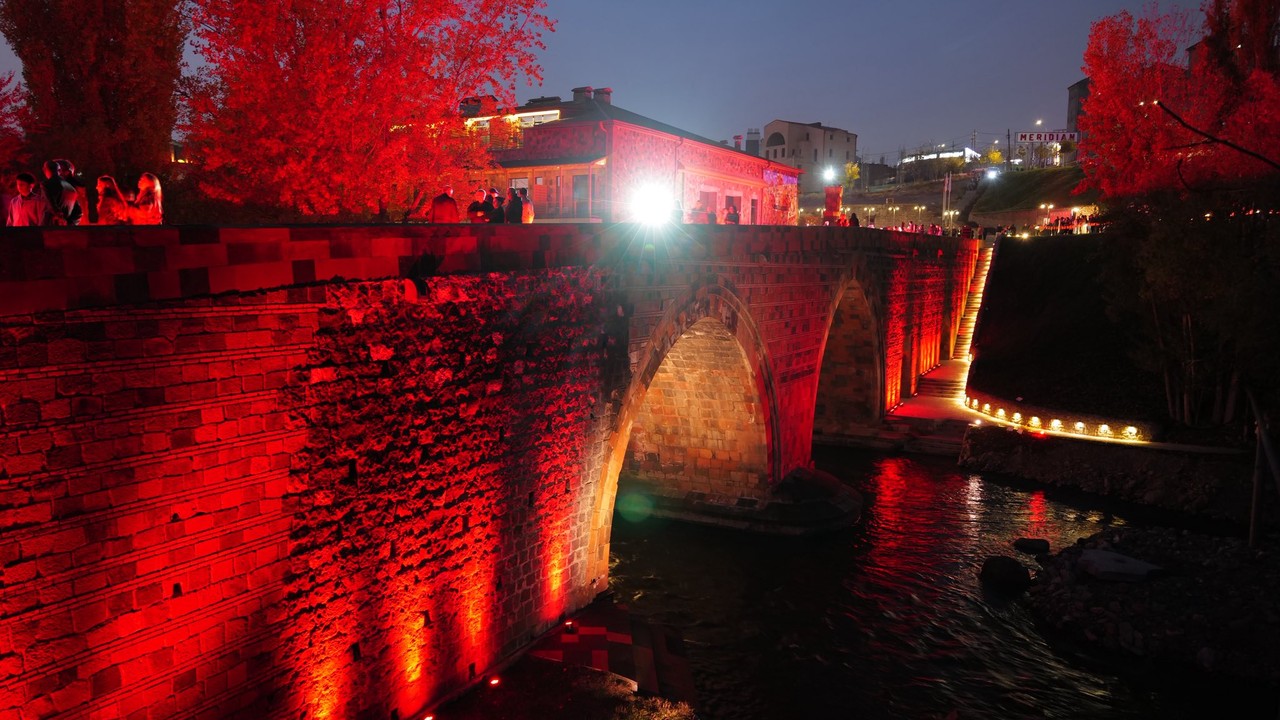
Once
upon a time, the two banks of the river in Yerevan were connected by the Red
Bridge in the Hrazdan Gorge, which has been thoroughly restored. The bridge
is called "red" because it is built of red tuff. The total length of
the bridge was 80 meters, and the height was 11 meters. It has 4 arches: two in
the middle and inclined, the other two on the banks of the Hrazdan River. For
centuries, the Red Bridge provided economic connections between the Yerevan
Fortress (on the site of the Ararat Cognac-Wine-Vodka Factory in Yerevan),
Echmiadzin, and the Ararat Valley. The road entering the city from the south,
which passed over this bridge, was not very wide: only two carts could pass
side by side. The bridge is included in the list of historical and cultural monuments
of Yerevan and is a worthy testimony to the history of medieval Yerevan. Today,
three bridges are in operation across the Hrazdan River: Davtashen, Kievyan,
and Haghtanak.
In
the Middle Ages, in the new period of the city's history, small economic
enterprises in the form of dings operated in the Hrazdan Gorge. These were
small enterprises for the processing of rice and cotton, for the operation of
which the water of the Hrazdan River was used.
In
the 19th century, during the process of transforming the city, when drawing up
the master plans, the Hrazdan Gorge was preserved as a natural green space for
recreation and entertainment. This approach continued even after the
establishment of Soviet rule in Armenia. Yerevan residents would come here with
their families and spend their holidays. Escaping the heat of Yerevan, they
would relax and enjoy nature and the wonderful view of the Hrazdan River.