HISTORICAL BUILDINGS
THE ARMENIAN GENOCIDE VICTIMS MEMORIAL COMPLEX IN TSITSERNAKABERD
The Armenian Genocide Memorial is dedicated to the memory of 1.5 million Armenians who were killed during the genocide committed by the Young Turk government throughout the territory of Ottoman Turkey (Ottoman Empire).
1967
Since 1967, when its construction was
completed, the Armenian Genocide Memorial has become an integral part of
Yerevan's architecture. Located on a hill and standing out from the general
landscape, the memorial is in perfect harmony with its surroundings, and the
simple outlines of the structure convey the spirit of the nation that survived
the genocide. The architects of the memorial complex are Artur Tarkhanyan and
Sashur Kalashyan.
The memorial complex was built in
accordance with the decision of the Government of Soviet Armenia on the
occasion of the 50th anniversary of the Armenian Genocide. The initiator of the
organization of events and the construction of the memorial complex was Yakov
Zarobyan, the First Secretary of the Central Committee of the Communist Party
of Armenia. The opening was carried out by the newly appointed First Secretary
of the Central Committee of the Communist Party of Armenia Anton Kochinyan on
November 29, 1967.
The construction was carried out by the
"Yerkhimshin" trust. The works were supervised by Artush Ordukhanyan.
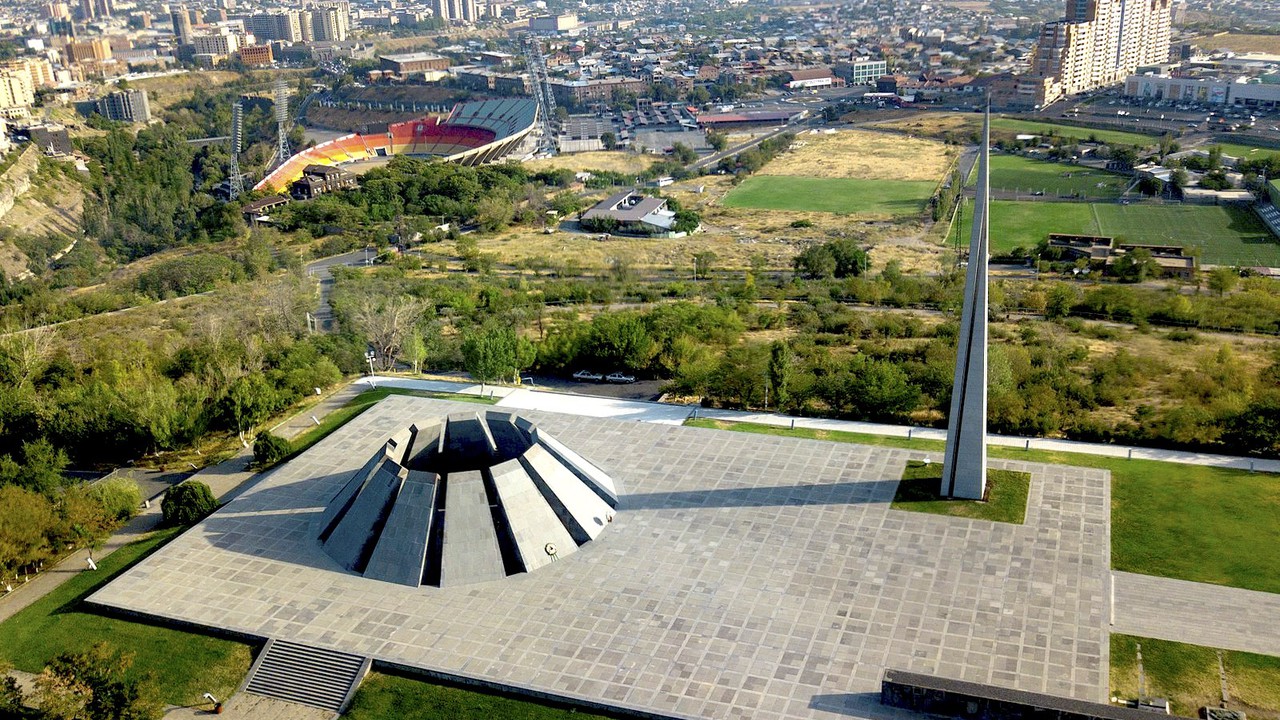
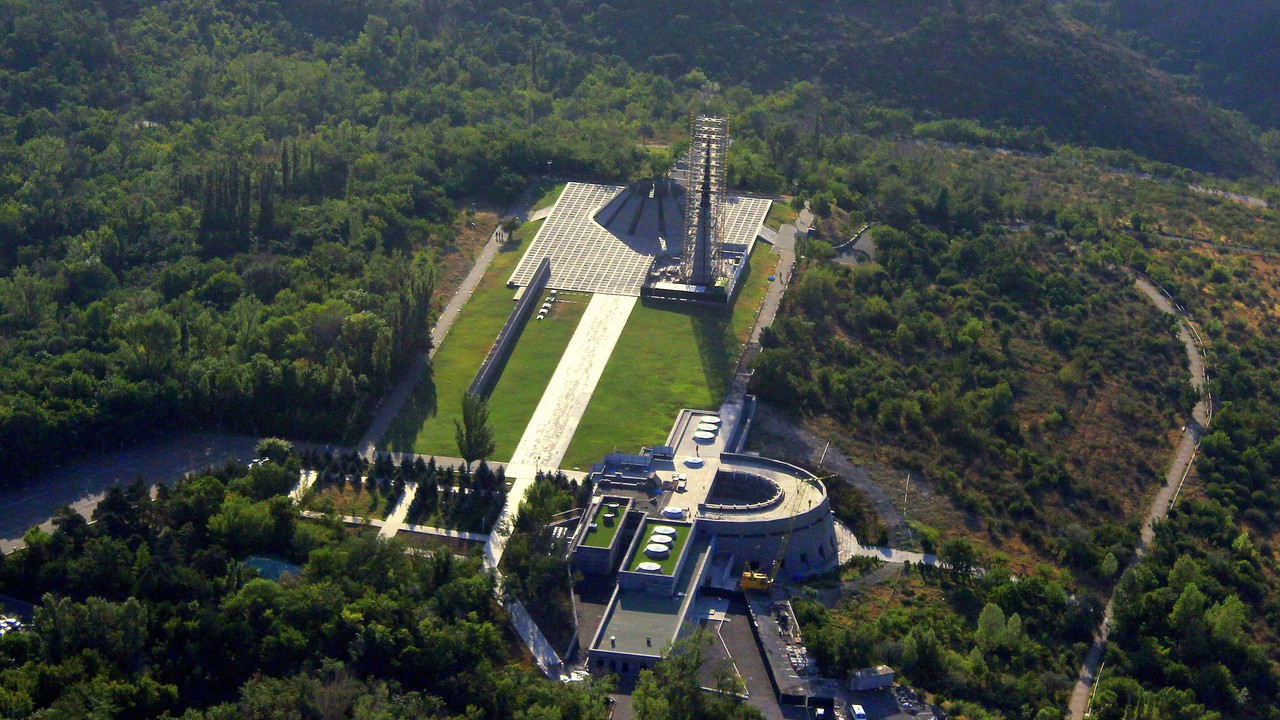
The memorial complex covers an area of 4,500 square meters and consists of three main
structures: the Memorial Wall (length: 100 m), on which are engraved the names
of the Armenian-populated settlements in Turkey where massacres and
deportations of the Armenian population were organized, the Temple of Eternity
with 12 pillars and an eternal flame (the height of the pillars inside is 9 m,
outside is 7 m), the "Revived Armenia" memorial column, which is a
two-part monument symbolizing the revival of the Armenian people, 40 m high.
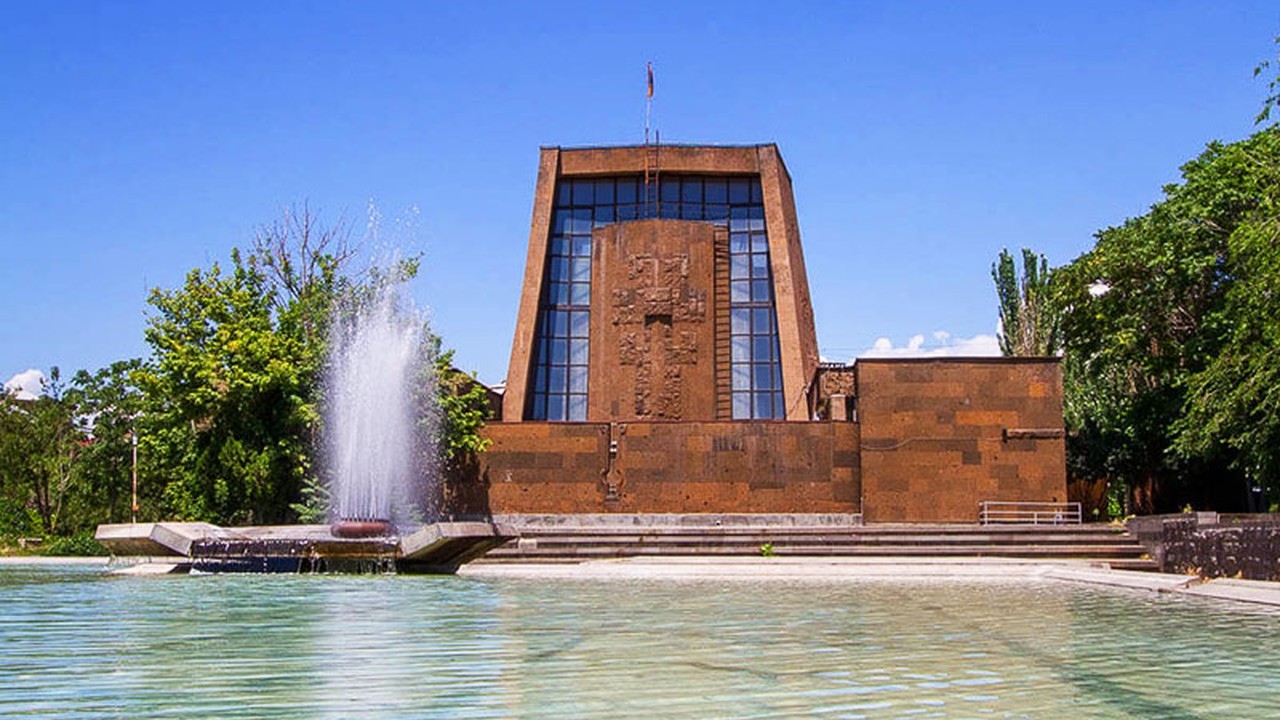
The memorial complex also includes the
Armenian Genocide Museum (1995, architects: Artur Tarkhanyan, Sashur Kalashyan,
Lyudmila Mkrtchyan, sculptor: Ferdinand Arakelyan), the “France Publicly
Recognizes the Armenian Genocide” memorial column (2002), the “Mother Rising
from the Ashes” sculpture (2002, sculptor: Rustam Avetisyan, the copy was
donated by the Eskijyan and Lazaryan families (USA), the original is kept in
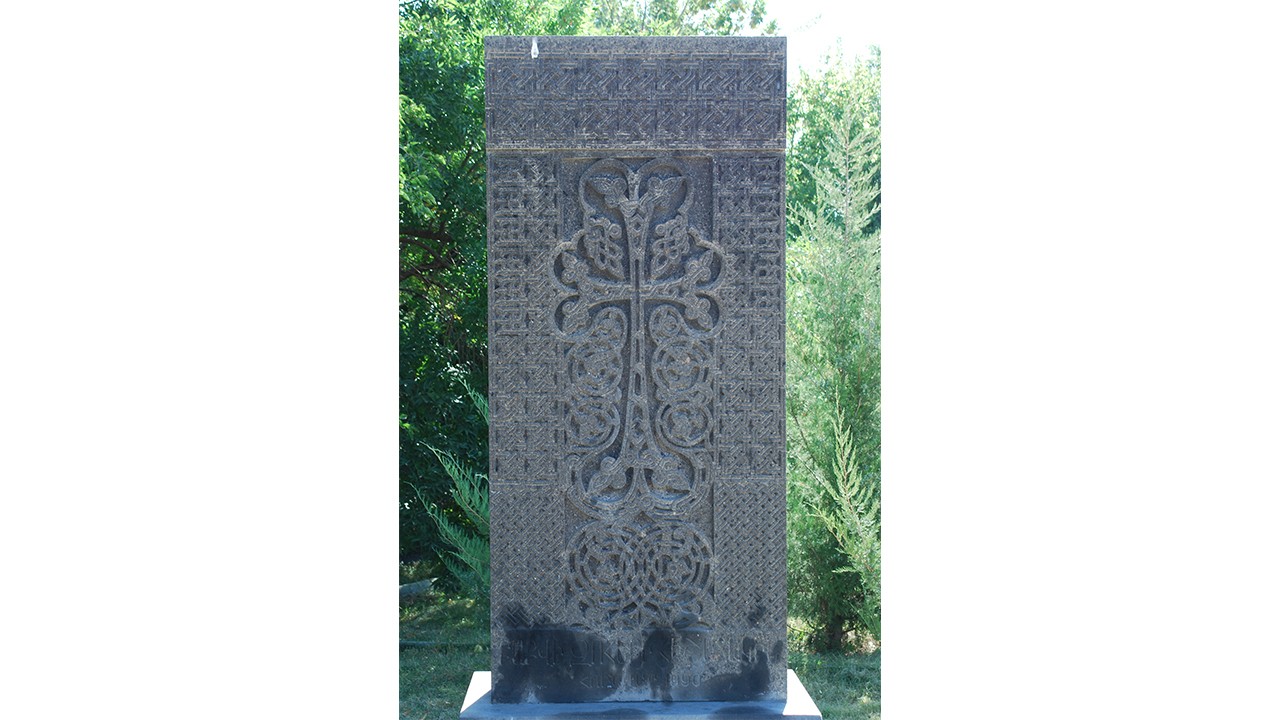
the “Ararat Eskijyan” Museum in Los Angeles), etc. In 1988-1990, cross-stones
dedicated to the victims of the Armenian massacres in the Azerbaijani cities of
Sumgait (1988), Kirovabad (Gandzak, 1988) and Baku (1990) were installed on the
territory of the memorial complex. In 1990-1992, the remains of five freedom
fighters who died during the Armenian-Azerbaijani conflicts were laid to rest
in front of the memorial wall: RA National Hero Movses Gorgisyan (1961-1990),
Samvel Gevorgyan (1950-1992), Edik (Eduard) Markosyan (1946-1990), Mushegh
Mkhoyan (Vozhd, 1951-1991) and Yervand Saghumyan (1958-1990).
1996 At the back of the memorial wall are
jars filled with soil taken from the graves of foreign public, political,
scientific and cultural figures who raised their voices against the Armenian
Genocide and the atrocities of the Turkish authorities: Anatole France (French
writer, Nobel Prize laureate), Armin Wegner (German poet, publicist), Johannes
Lepsius (German orientalist, public figure, doctor of theology), Fridtjof
Nansen (Norwegian polar explorer, scientist, diplomat, High Commissioner for
Refugees in the League of Nations), Maria Jacobsen (Danish missionary, doctor,
distinguished by her work with Armenian orphans) and others.
The Tsitsernakaberd Memorial Complex is
one of the best memorial complexes dedicated to the Armenian Genocide, where
hundreds of thousands of Armenians from Armenia and various diaspora
communities visit every year on April 24 since 1968 to commemorate the innocent
victims of the Armenian Genocide. Official delegations from various foreign
countries also visit the memorial complex to pay their respects.


Edward Gawayler